
Top 5 Things Contractors Must Check Before Choosing a Steel Supplier
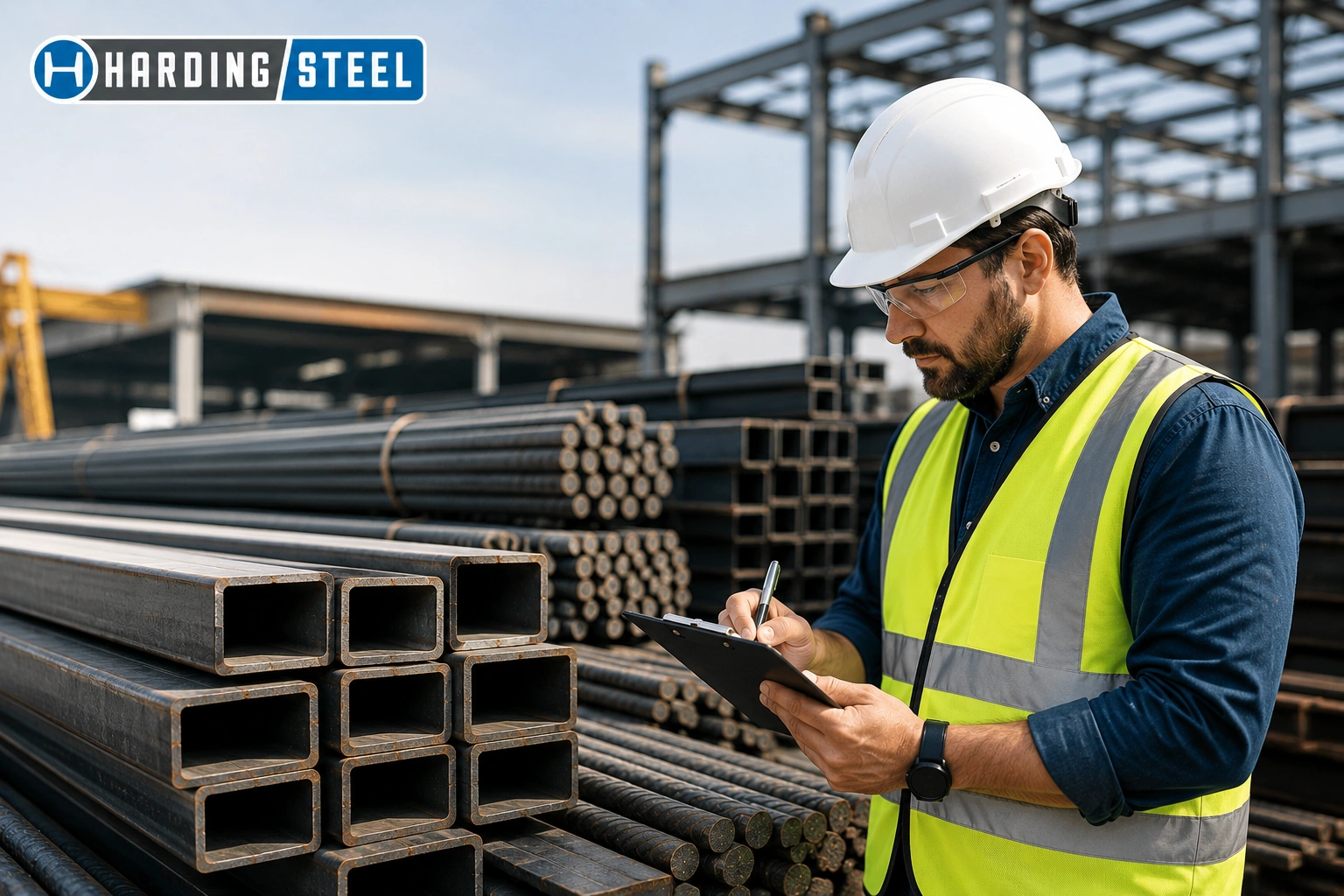
The steel supplier you choose affects far more than the materials sitting on your project site. A reliable supplier keeps your build on schedule and your costs predictable. The wrong one can cause delivery delays, quality inconsistencies and budget blowouts that are difficult to recover from mid-project.
For contractors and builders working across Brisbane, the difference between a smooth build and a costly setback often comes down to supplier selection. Knowing what to evaluate before placing your first order can save you significant time, money and frustration. Here is what experienced contractors look for when evaluating steel suppliers in Brisbane.
1. Product Availability and Stock Levels
Inconsistent stock is one of the leading causes of construction delays. If a supplier can’t fulfil your order when you need it, every trade that follows the steel fix-up is affected. That kind of disruption compounds quickly across a busy schedule.
Before committing to any supplier, confirm what they regularly hold in stock:
- Structural sections including universal beams, columns and hollow sections
- Flat products such as plate and flat bar
- Reinforcing steel including mesh and deformed bar
- Angle sections, purlins and posts
- Specialty items such as pipe, round bar and star pickets
A well-stocked supplier reduces the risk of back-orders and last-minute sourcing at premium prices. When sourcing steel supplies in Brisbane, look for a yard that carries a comprehensive range rather than only the most common sizes.
Ask upfront whether the products you need are held in stock or ordered on demand. In-stock items carry shorter lead times and more consistent pricing. For large or ongoing projects, check whether the supplier can reserve stock to match your build programme.
2. Quality Standards and Material Consistency
Every structural steel product used on a building site should comply with relevant Australian standards. Inconsistent material quality creates structural risks and can lead to costly rework if products fail inspection.
When assessing a supplier’s quality credentials, look for compliance across the following standards:
- AS/NZS 3678 for hot-rolled plates and flat products
- AS/NZS 3679 for hot-rolled bars and sections
- AS/NZS 4671 for deformed reinforcing bar used in concrete
- Availability of mill certificates upon request
- A clear process for managing incoming stock quality
Reputable suppliers are transparent about product origins and can provide documentation on request. Avoid any supplier who is vague about where their steel comes from or unable to produce certifications when asked.
Steel that varies in dimension or specification between orders creates fit-up problems on site. Your team ends up making adjustments that eat into project time and push costs beyond the original estimate.
3. Fabrication and Cut-to-Size Services
A supplier who only sells full mill lengths puts the labour and cost of site cutting back on your team. A supplier with in-house cutting and fabrication capability handles a significant portion of that preparation work for you.
The practical benefits include:
- Steel cut precisely to your required lengths, reducing waste on site
- Custom fabrication from drawings, removing the need for a separate tradesperson
- Components that arrive ready to install, speeding up on-site work
- Fewer errors caused by on-site measuring and cutting under pressure
- Lower material handling requirements throughout the project
Harding Steel offers cut-to-size services and fabrication support from its Geebung yard. Contractors can supply measurements or drawings and receive components ready for installation. This is particularly valuable on time-sensitive jobs where every hour of site efficiency counts.
When asking any supplier about fabrication, confirm turnaround time, whether they work from drawings, and how they handle tolerances on precision cut work.
4. Delivery Reliability and Turnaround Times
On any construction project, steel needs to arrive when it’s scheduled. Late deliveries disrupt trade sequencing, extend timelines and put real financial pressure on contractors managing fixed-price contracts.
To assess a supplier’s delivery capability, work through the following questions:
- Does the supplier operate their own fleet or rely entirely on third-party logistics?
- What are their standard lead times for both in-stock and custom orders?
- Can they accommodate urgent orders when a schedule shifts unexpectedly?
- Do they communicate proactively if delays occur?
- Are there minimum order thresholds that affect when delivery can be arranged?
Local suppliers have a clear advantage here. A Brisbane-based yard can respond faster to urgent requests and understands local site access requirements better than an interstate operation. Working locally also reduces freight costs and keeps lead times predictable.
Harding Steel delivers to construction sites across Brisbane. Contractors get reliable access to structural steel without the extended wait times that come with sourcing from interstate suppliers.
5. Industry Experience and Customer Support
A supplier with genuine industry knowledge offers more than a transaction. They can help you select the right product for a structural application and flag potential issues before they reach the site. When the specification allows it, they can also identify more cost-effective alternatives.
When evaluating a supplier’s experience and support capability, ask:
- How long have they been supplying the building and construction industry?
- Can they advise on section sizing or product suitability for specific applications?
- Do they have experience supplying projects similar to yours in scale and type?
- How do they handle problems with an order after it’s been placed?
- Is there a consistent contact you can rely on for ongoing orders?
Long-term supplier relationships have real operational value. A supplier who understands your typical requirements can prioritise your orders and alert you early when stock issues arise. Pricing also tends to improve as the relationship develops.
Common Mistakes Contractors Make When Choosing a Steel Supplier
Even experienced contractors make avoidable errors when selecting a supplier. The most common include:
- Choosing on price alone. The lowest quote rarely delivers the best outcome when it comes with unreliable delivery, inconsistent quality or limited stock.
- Ignoring delivery logistics. Not confirming lead times, fleet capability or minimum order thresholds before committing to a supplier is a frequent source of project disruption.
- Overlooking fabrication services. Failing to ask about cut-to-size or fabrication capability often results in avoidable on-site labour costs and material waste.
- Skipping quality checks. Assuming all steel meets the same standard without requesting compliance documentation can create serious problems during inspections and handover.
- Not verifying stock availability. Discovering that a key product is back-ordered after placing an order is one of the most preventable causes of construction delays.
Why Many Brisbane Contractors Choose Harding Steel
Contractors sourcing materials for residential and commercial projects regularly turn to Harding Steel for several practical reasons. The Geebung yard carries a broad product range covering structural sections, flat products, reinforcing steel, hollow sections and more.
Cut-to-size services mean orders arrive ready for installation rather than requiring additional preparation on site. The fabrication capability handles more complex structural requirements. For contractors on tight timelines, reliable Brisbane steel sales from a local yard make a genuine difference to how smoothly a project runs.
The team at Harding Steel also provides practical product advice. This is particularly useful for owner-builders and smaller contractors who don’t have a dedicated procurement team on hand.
Key Takeaways
- Always confirm product availability before committing to a supplier to avoid back-order delays.
- Verify compliance with Australian standards including AS/NZS 3678, 3679 and 4671 for all structural steel products.
- Suppliers with in-house cutting and fabrication services reduce on-site labour costs and material waste.
- Delivery reliability is as critical as price, especially on fixed-schedule or fixed-price contracts.
- Local Brisbane suppliers typically offer faster turnaround and better communication than interstate alternatives.
- Technical advice from an experienced supplier can prevent costly specification errors before they reach the site.
- Long-term supplier relationships improve pricing, stock access and service consistency over time.
- Selecting on price alone is one of the most common and costly mistakes contractors make.
Conclusion
The right steel supplier does more than fulfil orders. They support your project schedule and supply materials that meet structural requirements. That combination of reliability and expert knowledge keeps a build running efficiently from start to finish.
Assessing product availability, quality standards, fabrication capability, delivery reliability and supplier experience before placing your first order is an investment. It pays off across every project that follows. For contractors across Brisbane, steel supplies in Brisbane northside from a trusted local yard are a practical starting point for any structural build.
Frequently Asked Questions
How can I verify a steel supplier’s reliability before placing my first order?
Check online reviews, ask for references from similar construction projects and call the yard directly to see how they respond to questions. A reputable supplier will have no hesitation discussing stock levels, lead times and quality processes. First-hand communication often tells you more than a price list.
Can a steel supplier fabricate components without me needing a separate tradesperson?
Yes, many suppliers offer in-house fabrication including cutting, welding and assembly from drawings or specifications. This removes the need for a separate contractor and speeds up delivery of ready-to-install components. Always confirm what fabrication services are available and what documentation the supplier needs before starting work.
What is a mill certificate and when should I request one?
A mill certificate is a document from the steel manufacturer confirming the chemical composition, mechanical properties and standards compliance of a specific batch. Request one for any structural application where compliance documentation is required by your engineer, building certifier or client. Most reputable suppliers can provide these without issue.
How far in advance should I order steel for a construction project?
For standard in-stock products, a few days’ notice is often enough. For custom cut or fabricated orders, allow at least one to two weeks depending on complexity and supplier workload. For large or staged projects, speak to your supplier early to reserve stock and confirm lead times before they become critical to the programme.
Is it better to source all structural steel from one supplier rather than multiple?
Using a single supplier with a wide product range is generally more efficient. It simplifies ordering, reduces freight costs and makes scheduling easier to manage. Pricing also tends to improve over time with a consistent account. Multiple suppliers are only worth considering if a single yard cannot cover your full range of required products.
Top 5 Things Contractors Must Check Before Choosing a Steel Supplier