
Steel vs Timber: Why Brisbane Builders Prefer Steel for New Homes
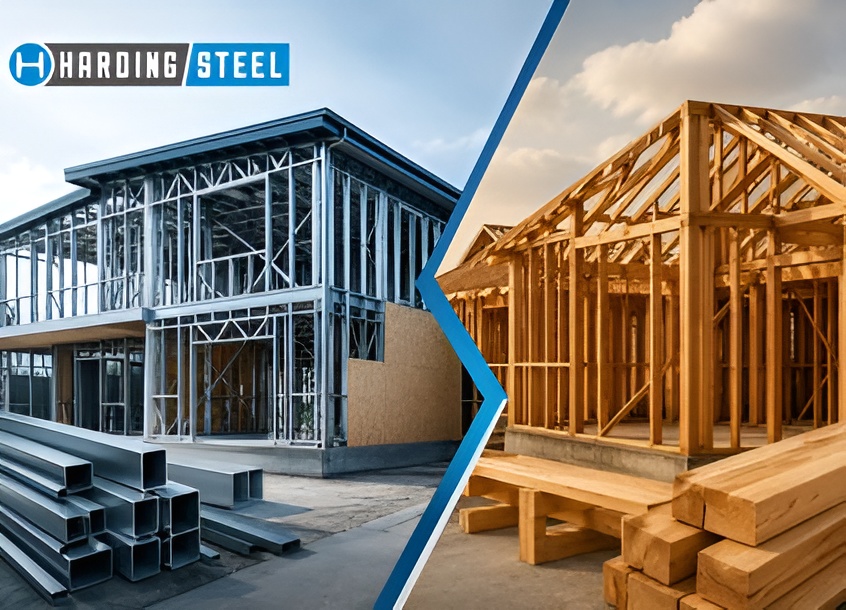
Drive through any new housing estate on Brisbane’s outskirts and you’ll notice something. Steel frames are going up almost as often as timber ones, sometimes more so. For homeowners planning a build, this raises an obvious question: which material actually makes more sense for a home in this part of the country?
Both timber and steel can produce a strong, comfortable house, and plenty of good homes have been built with each. But Brisbane’s humidity, termite activity and storm season all affect how a material performs over time. As demand for steel supplies in Brisbane has grown over the past decade, it’s worth understanding what’s really driving that shift.
Strength and Durability
Timber is a natural product, and that’s part of its appeal. It’s also part of its limitation. Wood can warp, shrink, twist or split as it dries out or takes on moisture, which happens often in a humid climate like Brisbane’s. It also varies naturally from piece to piece, with knots and grain differences that affect strength in ways a finished wall won’t always reveal.
Steel behaves differently. Once a frame is fabricated, it holds its shape permanently. There’s little variation between one length of steel and the next.
That means floors stay level, walls stay straight and doors keep closing properly years after the home is finished. For builders working to tight tolerances, that consistency saves time on site and cuts down on callbacks later.
Termite Resistance: A Real Brisbane Concern
Queensland has one of the highest rates of termite activity in Australia, and Brisbane sits right in the thick of it. Subterranean termites are the type responsible for most structural damage in local homes. They can attack a timber frame quietly, often without any obvious sign until real damage has already been done.
Chemical treatments and regular inspections reduce the risk, but they don’t remove it completely. Steel framing sidesteps the issue altogether, since termites have no interest in it. That’s one less ongoing cost and one less thing for homeowners to worry about.
Fire Resistance and Safety
Steel doesn’t burn, and it won’t add fuel to a fire the way timber framing can once it ignites. This matters in parts of Queensland where bushfire risk is a genuine factor in planning new developments. Homes built in designated bushfire-prone areas often need to meet stricter construction standards, and non-combustible materials like steel make it easier to comply.
This doesn’t make a timber-framed home unsafe. Building codes account for fire risk no matter which material is used. But for anyone building in a higher-risk area, steel framing offers extra peace of mind.
Coping With Brisbane’s Climate
Brisbane sees plenty of summer humidity, heavy rain and severe storms most years. Building materials here need to handle real extremes, not just everyday wear and tear.
Steel framing holds up well under wind loads, which matters once a structure needs to meet bracing requirements. Roof framing is a good example. Many steel-framed homes use C section purlins, lightweight steel beams that support the roof sheeting and battens.
This gives the roof a frame that’s both strong and light. Timber can do something similar, but it often needs larger sections and extra bracing to get there.
Maintenance and Long-Term Value
This is where steel’s advantages tend to add up. Timber framing, even when treated, often needs ongoing attention. Termite barriers need renewing over time. Movement in the timber can eventually show up as cracked plasterboard or doors that no longer sit quite right.
Steel framing avoids most of this. It doesn’t rot, warp or attract pests, so there’s far less need for frame-related repairs down the track. For many builders and homeowners, this lower long-term maintenance is one of the strongest arguments for steel. That holds even when it costs a little more upfront than timber.
Common Applications: From Stumps to Roof Frame
Steel’s role in a Brisbane home goes well beyond wall framing.
Steel House Stumps
Older Queenslander-style homes were traditionally raised on timber stumps, lifted off the ground for airflow and flood protection. Many of those original stumps have since rotted or been replaced, often with steel. Because stumps sit close to the ground and face the weather directly, they tend to wear out faster than framing hidden safely inside a wall.
New builds across the city increasingly start with steel house stumps in Brisbane from the very first stage of construction. Steel doesn’t rot, twist or draw termites the way timber stumps can.
Wall Framing and Structural Supports
Wall frames are commonly built using rectangular hollow section posts, a type of hollow steel tube valued for its straight profile and consistent strength. Because the frame doesn’t move once it’s up, it pairs well with brick veneer, weatherboard or any cladding that needs a stable base. The same sections often turn up in verandah posts, carports and other structural supports around a property. The result is a clean, uniform look that’s harder to achieve with timber.
Is Steel Always the Better Choice?
Not necessarily. Timber still has a place. It suits homeowners who like its natural appearance, its lower environmental footprint, or who are working with a tighter upfront budget. Heritage and character home renovations also often call for timber, simply to match the existing structure.
For a new build in Brisbane’s climate, though, steel’s durability and low maintenance are hard to look past. Price gaps between the two materials have also narrowed in recent years, so it’s worth getting quotes for both before deciding. That’s a major reason more builders, owner-builders and developers are now specifying steel as standard, rather than treating it as an upgrade.
Where to Get Good Advice
If you’re planning a new build and weighing up your framing options, it’s worth talking to people who understand the local conditions. The team at Harding Steel is based in Geebung on Brisbane’s northside. They supply steel for everything from house stumps to roof framing and can help you work out what suits your project.
Whichever material you choose, getting good advice early tends to save plenty of headaches later.
Frequently Asked Questions
Is steel framing more expensive than timber?
Upfront costs are often similar, and the gap has narrowed in recent years. Steel can sometimes cost a little more for materials, but lower long-term maintenance often balances that out. It’s worth getting quotes for both before deciding.
How long do steel house stumps last compared to timber?
Quality steel stumps can last the life of the home with very little maintenance, since they don’t rot or attract termites. Timber stumps, even when treated, usually need replacing or re-treating after a few decades in Brisbane’s humid conditions.
Does steel framing rust in Brisbane’s humidity?
Structural steel used in home framing is typically galvanised, giving it a protective coating against rust and corrosion. Rust isn’t a major concern as long as the frame is installed correctly and any damaged coating gets repaired.
Can steel framing be used with brick or weatherboard cladding?
Yes. Steel frames work well with brick veneer, weatherboard, fibre cement and most cladding types used in Brisbane homes. Builders just need to follow the cladding manufacturer’s fixing requirements for a steel frame.
Is timber still a safe choice for a new home?
Yes, timber remains safe when properly treated and built to Australian standards. Plenty of homeowners still choose it for its natural look or a tighter budget. The right material often comes down to location, priorities and long-term plans.
Steel vs Timber: Why Brisbane Builders Prefer Steel for New Homes